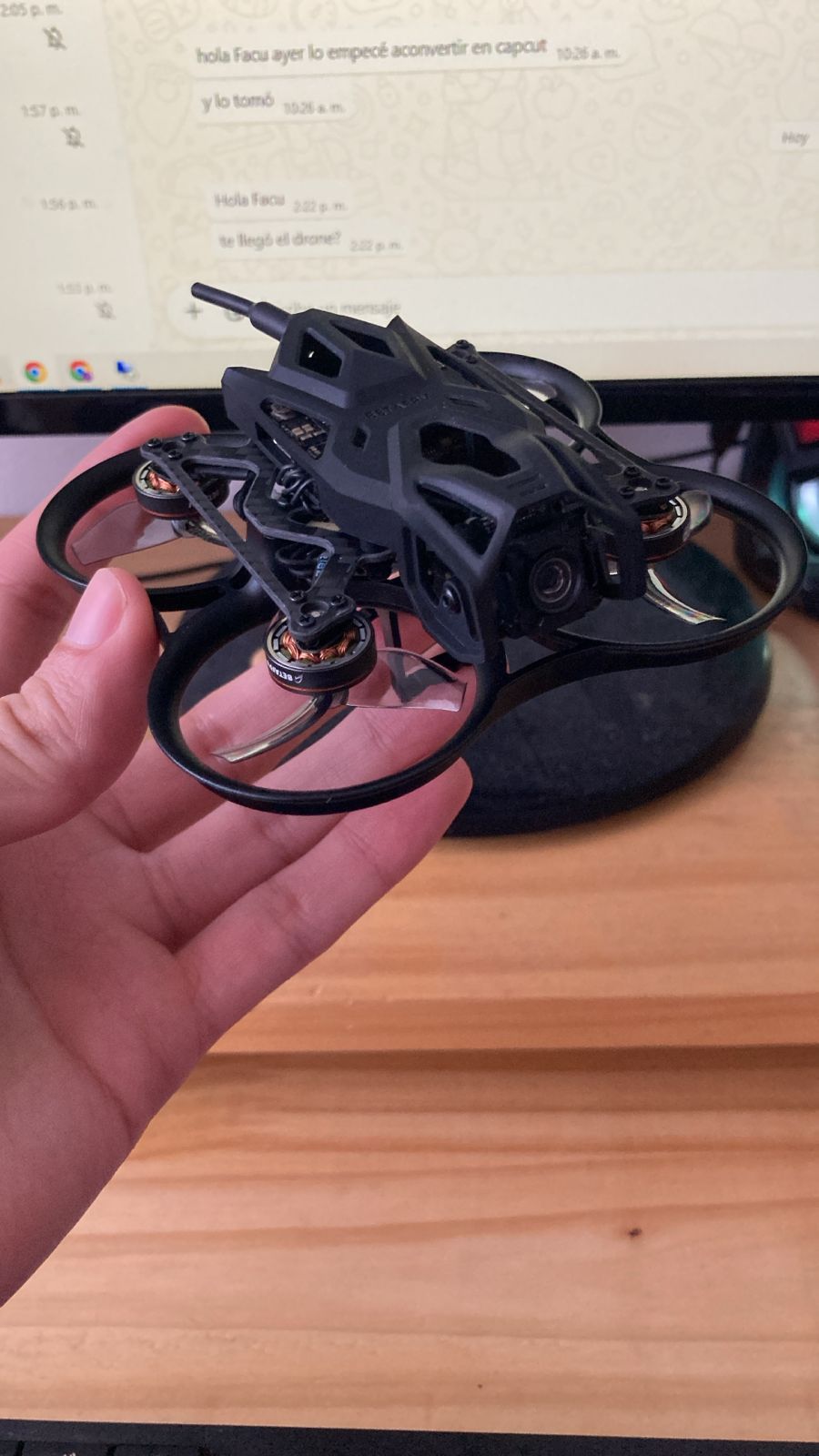
The DJI Mini line weighs 249 grams. Not 250. Not 245. Two hundred and forty-nine, flirting with a threshold by a single gram — and that gram is one of the most deliberate engineering decisions in the entire consumer drone industry.
It’s not a coincidence and it’s not marketing. 250 grams is a regulatory line drawn in most of the world’s drone rules, and staying just under it changes a pilot’s legal obligations dramatically. Understanding why that line exists, what it unlocks, what it costs, and when to cross it is one of the most practically valuable things a drone owner can know.
Why 250 grams?
The number traces to a risk calculation. Regulators needed a weight below which a falling drone is unlikely to cause serious injury to a person on the ground. Studies of impact energy landed around the 250-gram mark as a reasonable threshold — light enough that the consequences of a fall are limited, heavy enough to capture most “real” camera drones above it.
So aviation authorities around the world adopted 250g (0.55 lb) as a pivotal line. Manufacturers, in turn, engineered an entire product category to sit just beneath it — the sub-250g drone — specifically so buyers could access the lighter regulatory tier. The 249-gram Mini is the result: as much drone as physics allows under the legal ceiling.
250 grams isn’t an arbitrary number. It’s the weight below which regulators decided a falling drone is unlikely to seriously hurt someone — and manufacturers built a whole class of drone to live one gram under it.
What staying sub-250g unlocks
The exact benefits vary by country and change over time, so verify your current local rules — but the general pattern across major jurisdictions is consistent:
- Lighter or no registration requirement (for recreational use in many places). In the US, the FAA doesn’t require recreational registration under 250g. Many other countries follow similar logic.
- Fewer operating restrictions. Lighter regulatory subcategories — the EASA “C0” class, the UK’s reduced requirements for sub-250g — generally allow flight closer to people than heavier drones.
- Easier international travel. A sub-250g drone often slides through jurisdictions with less paperwork, since many countries gate their strictest rules at the 250g line.
- Lower barrier to legal entry. For a beginner who wants to fly legally without a registration process, the sub-250g class is the easiest on-ramp.
This is a real and meaningful set of advantages, and it’s a large part of why I recommend a DJI Mini as a first drone and on the kit page. The regulatory ease removes friction from learning.
What staying sub-250g costs
Physics doesn’t give you the lighter regulatory tier for free. Cramming a capable drone under 250g forces compromises:
- Smaller sensor. Less light-gathering, weaker low-light performance, less dynamic range than a heavier Mavic-class drone. Fine for learning and casual work, limiting for demanding commercial shoots.
- Worse wind tolerance. This is the big one. A 249g drone is light, and light drones get pushed around. Wind that a Mavic shrugs off will fight a Mini hard — costing battery, smoothness, and on bad days, control. The pilot stress bar fills faster on a light drone in wind.
- Shorter effective flight time in real conditions. The published flight times assume calm air. Fighting wind on a light drone burns the battery faster than the spec suggests.
- Fixed or limited camera. Sub-250g drones rarely carry the telephoto/multi-camera systems that make heavier drones versatile for real estate or inspection work.
The sub-250g class is a genuine engineering achievement, but it’s a class of compromise — maximum capability under a hard weight ceiling. For learning, travel, and casual work, the compromises are worth the regulatory ease. For demanding paid work, the heavier drone usually earns its extra paperwork.
The weight classes above 250g
Cross the line and you enter a tiered system. The details differ by region, but the structure is similar:
United States (FAA): Drones 250g–55lb (25kg) must be registered. Recreational and commercial registration differ. Remote ID requirements apply to registered drones. Commercial operation requires Part 107 certification regardless of weight.
European Union (EASA): A class-marking system from C0 to C4. C0 is sub-250g (most permissive). C1 is under 900g. C2 under 4kg. Each step up adds operating restrictions and distance requirements from people. Most camera drones fall in C0–C2.
United Kingdom (CAA): Sub-250g drones with a camera need an Operator ID but have reduced flight restrictions. Heavier classes require more — Flyer ID, training, greater separation from people.
Above these consumer tiers sit the heavy commercial and industrial categories with their own certification, but those are beyond what most working pilots touch.
The pattern is universal even when the specifics aren’t: weight tiers exist, 250g is the first and most important line, and each step up the weight ladder trades capability for regulatory burden.
The caveat nobody mentions: sub-250g is NOT “no rules”
This is the misconception that gets pilots in trouble. Staying under 250g reduces registration requirements in many places. It does not exempt you from the rest of aviation law.
A sub-250g drone still must:
- Respect airspace restrictions and no-fly zones (near airports, over sensitive sites)
- Not be flown recklessly over crowds of people
- Stay within visual line of sight in most jurisdictions
- Follow altitude limits
- Respect privacy and local ordinances
And critically: commercial use usually carries extra requirements regardless of weight. In the US, flying a sub-250g drone for paid work still requires FAA Part 107 certification — the weight exemption is for recreational registration, not for commercial operation. Many pilots get this wrong and fly paid jobs on a Mini assuming the sub-250g class exempts them. It doesn’t.
Sub-250g lowers the registration bar, not the law. If you’re flying for money, you almost certainly need the same commercial certification as a heavier drone — the weight only changes the registration step.
Always verify the current rules in your specific country before flying, recreationally or commercially. Drone regulation changes frequently, and the authority’s own website (FAA, CAA, EASA, your national aviation authority) is the only source worth trusting for the live rules. Anything you read in a blog — including this one — is context, not current legal advice.
When a working pilot should cross the line
The practical decision, stripped down:
Stay sub-250g when:
- You’re learning and want the easiest legal on-ramp
- You travel frequently and want minimal cross-border paperwork
- Your work is casual or the conditions are usually calm
- Portability matters more than ultimate image quality
Go heavier when:
- You’re doing demanding paid work — real estate, weddings, inspection — where sensor size, wind tolerance, and camera versatility matter
- You fly regularly in windy conditions where a light drone struggles
- You need telephoto or multi-camera capability
- You’ve already accepted the registration/certification process (which, for commercial work, you need anyway)
For most working pilots the honest answer is: start sub-250g to learn, then add a heavier Mavic-class drone when the paid work justifies it. The weight classes aren’t a hierarchy to climb — they’re tools matched to different jobs. The Mini and the Mavic both have a place in a working kit, and the 250-gram line is what separates their roles.
The gram that means everything
That single gram — 249 instead of 250 — is the difference between two regulatory worlds. The engineers who fought to keep the Mini under the line weren’t chasing a spec; they were buying their customers access to the lighter legal tier. Understanding that line, what it gives you, what it costs you, and what it does not exempt you from, is one of the highest-leverage pieces of knowledge a drone owner can have.
Weigh your drone. Know which side of 250 grams it’s on. And never assume that being under the line means the rules don’t apply — it just means there are fewer of them at the registration desk.