You bought a drone (or you’re about to) and you’re wondering whether it can pay for itself. The short answer: yes, in several ways, but not in the ways most YouTube videos tell you.
I’ve been making a living with drones since 2018 — not as the only income, but as a meaningful and growing part of it. I’ve also watched a lot of pilots try business models that don’t work, watched some pivot into ones that do, and watched some abandon the whole thing because they followed bad advice early on.
Here’s the honest map. Six income paths that genuinely work for working pilots, ranked roughly by accessibility and realistic payoff. Plus three that get pitched constantly but aren’t worth your time — at least not for most pilots in their first three years.
The six paths that work
1. Real estate aerial work — most accessible, most consistent
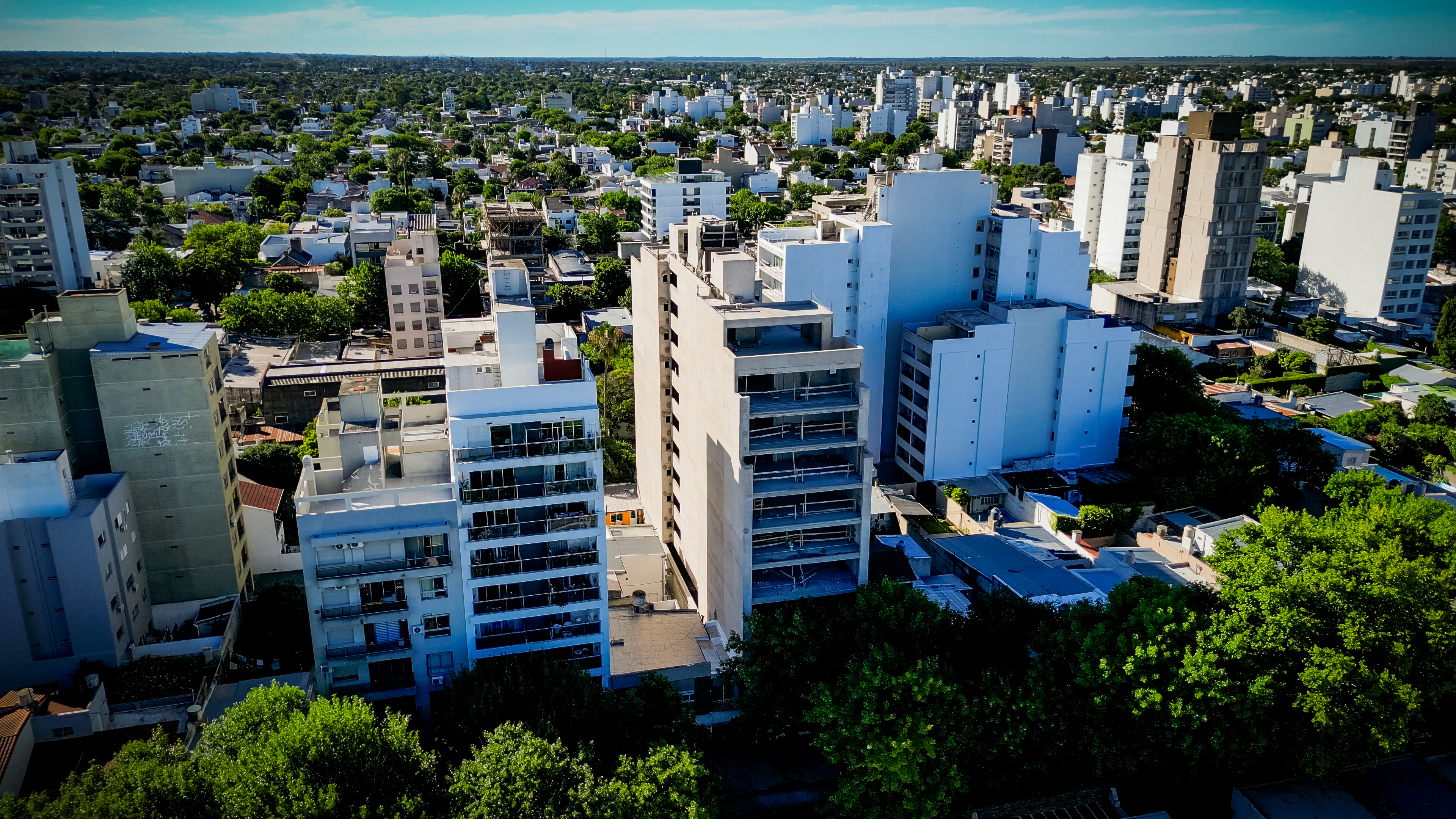
If you want a drone to start paying for itself within months, real estate is the answer. The market is broad, the work is technically less demanding than other niches, the rates are well-established, and the relationship with each agent compounds — once you’ve shot one good listing for an agent, you’ll get the next ten.
Why it works: real estate agents understand the marketing value of aerial shots. They have a budget for it. They book quickly because they’re working against listing timelines. And the per-job profit is high relative to the time investment — maybe 2 hours of flight + 2 hours of post for a single listing.
What you need: a competent mid-range drone (DJI Mini or Mavic-class is plenty), basic photography skills, basic editing skills, and a decent local market with active listing volume. You do not need to be an exceptional pilot or photographer to start; you need to be reliable.
Realistic ramp: 3–6 months from first booking to consistent monthly income, if you market locally and price reasonably. See Aerial Real Estate Photography: How to Price It Right for the structure.
Watch out for: agents who want to bundle multiple listings into one discounted price. See The Real Estate Drone Pricing Trap.
2. Wedding and event videography (as a videographer, not just a drone pilot)
This is harder to enter than real estate but pays well once you’re established. The catch: most successful wedding work is done by videographers who happen to fly drones, not by pilots who happen to film weddings. The drone is one tool in the kit; the actual product is the wedding film.
Why it works: weddings have predictable budget cycles, clients value finished films highly, and good videographers get referred extensively. Drone work folded into a complete videography service commands real package prices.
What you need: actual videography skills (camera operation, audio capture, editing, color grading, story structure), at minimum 1–2 cameras beyond the drone, and a portfolio of finished work that demonstrates the videography craft, not just the drone shots.
Realistic ramp: 12–24 months from learning videography seriously to running a sustainable wedding business. Faster if you’re partnering with an established videographer first as their drone operator.
Watch out for: pricing the drone as a separate line item. See Why I Stopped Charging Drone Footage as a Separate Service.
3. Commercial / corporate / institutional work
The least-discussed but possibly highest-paying path for serious pilots. Corporate productions, agency work, government contracts, infrastructure inspection, agriculture, construction documentation. The work pays well per hour and the contracts can be substantial. Most working pilots stumble into this through their network rather than cold outreach.
Why it works: companies and institutions have real budgets for production, the buyers are professionals who don’t haggle the way agents and brides do, and the work tends to be repeatable (same client books quarterly inspections, agency books monthly content).
What you need: a portfolio that demonstrates professional reliability (delivering on time, working with crews, handling production logistics), often higher-end gear, and sometimes specific certifications. In the US, FAA Part 107 is essentially required for any commercial work — see the FAA’s site for the current rules. In other markets, equivalent commercial certifications apply.
Realistic ramp: 1–3 years to build the connections and portfolio that lead to commercial work. Hard to break into without a referral or specialized skill.
Watch out for: the rates that look “high” on paper but include massive scope creep, last-minute changes, and revisions that eat your time. Quote scope explicitly.
4. Salaried in-house roles
Most pilots don’t think about this path, but it’s real. Government communications departments, news organizations, agriculture operations, large real estate developers, surveying firms, marketing agencies — they sometimes hire in-house drone operators. This was, in fact, my own path with the Buenos Aires Province government from 2019 to 2023.
Why it works: stable income, benefits, no client acquisition cost, learning environment, and access to gear and projects you couldn’t afford solo.
What you need: a portfolio that demonstrates production reliability, willingness to work in a structured environment with reporting lines and procedures, and sometimes specific industry knowledge (real estate sales process, agricultural operations, news production cycles).
Realistic ramp: depends entirely on local job market for these roles. Few are publicly listed; most are filled through referrals or by hiring an existing freelancer the company already works with.
Watch out for: the hours-per-paid-flight ratio of salaried roles is typically lower than freelance, but the stability often justifies the trade. Don’t take a salaried role expecting freelance margins.
5. Content and educational adjacencies
YouTube, written content, courses, Patreon-style memberships. This path is real but slow. Most pilots over-invest in it before they have something distinctive to teach, and burn out before the audience builds.
Why it works: the addressable audience is huge, the work compounds across years, and successful content creators in this space can earn well above traditional drone pilot incomes. A pilot with a strong YouTube channel can outearn a pilot doing the same flight work without the channel by 3–5×.
What you need: distinctive perspective (you have to actually have something worth saying), production discipline (consistent output across years), and patience (most YouTube channels take 18–36 months before they become meaningful income).
Realistic ramp: 24+ months minimum before income covers the time invested. Most pilots quit before this point.
Watch out for: starting content too early, before you have real working experience to draw on. The successful drone YouTubers I’ve watched all had years of paid flying before they started filming themselves talk about it.
6. Niche specialty (surveying, mapping, inspection, agriculture)
The deepest and most stable path, but the highest barrier to entry. Specialized aerial work — geodetic mapping, infrastructure inspection, agricultural variable-rate application support, search and rescue — pays at engineering rates because it requires engineering-adjacent skills.
Why it works: specialty work is paid hourly or per-project at consulting rates, the contracts are large, and the field has fewer practitioners. Once you’re known as the local pilot for X niche, the work tends to stay with you.
What you need: significant additional training beyond drone operation. Photogrammetry software, GIS knowledge, specific industry training (agronomy for ag work, structural inspection for construction, etc.). Often specific drone hardware (RTK GPS, multispectral sensors, thermal cameras).
Realistic ramp: 12–24 months of focused specialization to establish a defensible niche.
Watch out for: trying to compete on price with lower-trained pilots. The specialty path only pays well when you’ve built genuine expertise that justifies the rates.
The three paths that don’t work (for most pilots)
These are the ones that get pitched constantly online. They look like opportunities but they aren’t, at least not for most pilots in their first 3 years.
”Selling drone footage to stock libraries”
The math is brutal. Stock footage sells for a few dollars per clip, after the platform takes their 50–80% cut. To make meaningful income, you need thousands of clips uploaded, each shot specifically for what stock buyers want (clean, generic, location-anonymous). The pilots who succeed at this are running it as a full content operation, not as a side hustle.
If you genuinely love producing stock-style footage and have the volume tolerance, fine. For most pilots, the same hours invested in real estate work would earn 10× more.
”YouTube reviews of every new drone”
The drone review niche on YouTube is saturated, dominated by a few large channels with first-look access from manufacturers, and the affiliate income per video is unimpressive unless you’re at scale. Walking into this in 2026 as a new creator is harder than walking into wedding videography as a new pilot.
If you genuinely have a distinctive perspective on drone gear, fine — but the path is content + adjacent expertise (like the rest of the content path above), not “I made an unboxing video."
"Become a drone instructor”
Some pilots are great teachers. Most aren’t. The market for drone instruction is small in most regions, the rates are typically lower than commercial flight work, and the time investment in lesson planning is real. Selling courses online has the same scale problem as YouTube — most courses don’t earn meaningfully.
If you have real teaching skill and a reputation, this can work as a 10–20% income stream. As a primary path, it’s brutal.
What I actually recommend
If you’re starting out and you want a drone to pay for itself:
- Start with real estate work (path 1). Lowest barrier, fastest payoff, most predictable income.
- Add wedding videography or commercial work (paths 2 or 3) once you’ve stabilized real estate.
- Look for salaried opportunities (path 4) opportunistically — most pilots can’t predict when one will appear, but they should be open to them.
- Build content (path 5) only after years 2–3 of paid work, with a distinctive perspective worth sharing.
- Specialize (path 6) only if you discover an actual interest in the specialty — not just because the rates look high.
Most working pilots end up with a stack of 2–3 paths, not just one. The most stable income I’ve seen comes from pilots who run real estate or commercial work as their consistent floor and add weddings or content as the higher-margin upside.
The math works. It just takes 12–24 months longer than most blog posts will tell you. And the pilots who actually make it are the ones who priced patient and worked steadily, not the ones who optimized for the fastest-looking dollar.
A drone is a tool. Your job is to make it pay its way. Pick the path that fits your temperament and market, hold your prices, and let the work compound.